




A new bill anticipated to be signed into law by California Governor Gavin Newsom will raise the minimum wage for most of the state’s 500,000 fast food workers to at least $20 per hour by 2025. The bill, SB 15, appears to have bipartisan support. About 455,000 health care workers — not doctors and nurses, but the people who do everything else at hospitals, dialysis clinics and other facilities — will see their salaries rise to at least $25 per hour over the next 10 years in a separate bill.
The bill is a victory for labor unions, who have been fighting for years to raise the minimum wage for fast food workers. The unions argue that fast food workers are essential workers who deserve to be paid a living wage. The disparity, though, between the wages of fast food workers and mortgage field services workers is stark. Mortgage field services workers, who are responsible for inspecting homes that are in foreclosure, only receive $3.50 per inspection. This means that they can make as little as $7 per hour, below the federal minimum wage and $8 below the minimum wage for federal contractors.
Who is to blame? Well, the National Association of Mortgage Field Services (NAMFS) have made it clear that their total and complete support of Jonathan Dedman Dietz and GIS Field Services is all that matters, now. In fact, while tens of millions of dollars and hundreds of thousands of work orders in losses are rolling out, the steadfast support of Dietz appears to be ironclad. That means the support of $3.50 work orders has the blessing of the NAMFS Board of Directors. Here is a list of the names you may want to consider when working for a firm whom believes this is actually part of the American Dream,
Denia Ray of ZVN Properties fame; Nicki Bigenho of former MCS infamy, remembering that MCS now controls GIS Field Services; Keith O’Donnell of Altisource infamy; Kelli Chambers still taking out the trash at MSI; Michael O’Connor of the failed Aspen Grove now ShieldHub; Matt Connelly of Gryphon Group; and Chad Rulo the new kid on the block of First Rate Field Services (who comes up with these lame names).
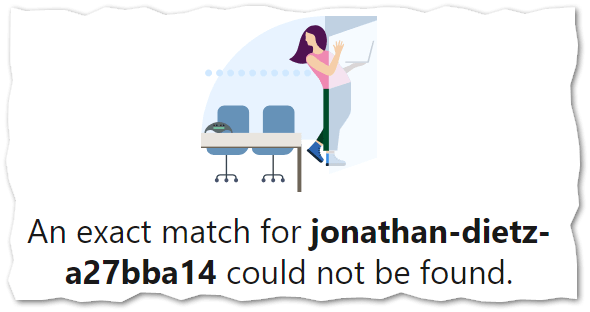
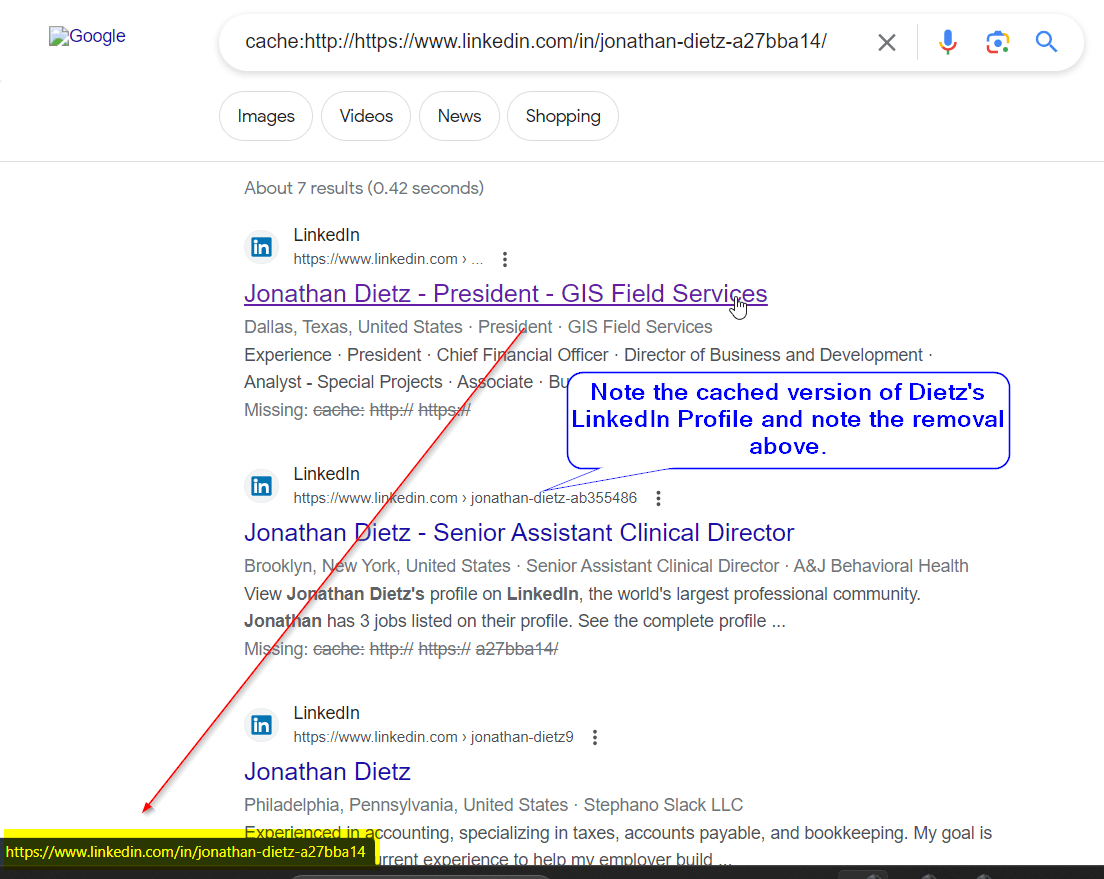
Now, the really, REALLY interesting thing is that their Anointed Leader, Jonothan Dedman Dietz, has gone into hiding. In fact, we reached out, via direct email, to the NAMFS Cult Leader Dietz last night requesting comment and will publish the unredacted version of that email, later today. Dietz, like Chestnut Hill Partners with respect to the brokered sale of GIS Field Services, has begun to sanitize all aspects of his social media. It has to be embarrassing that a grown man must cower in the shadows of public discourse, only to be relegated to his original position at birth.
I mean how do you face your GIS Field Services Team when you are running scared? How do you face your fellow NAMFS Members obviously opposed to your Board seat? But most importantly, how do you look your family in the eye and not know they see right through you and your fear? Now, I don’t know how a man is raised in Texas, but here in the South, we deal with our problems without having a Safe Space designation.
The disparity between these two wages is a clear example of the need for representation by the International Association of Field Service Technicians (IAFST). The IAFST can help workers negotiate for better wages and working conditions. They can also provide workers with legal representation and other resources. Look, I believe that all workers deserve to be paid a living wage, regardless of the industry they work in. I am proud to support the IAFST and their fight for better wages and working conditions for all workers.
In addition to the disparity in wages, there is also a disparity in the working conditions of fast food workers and mortgage field services workers. Industry workers are often required to work long hours, with little or no breaks. They are also exposed to hazardous conditions, such as needles from drug addicts, mold, asbestos, and obviously extreme weather conditions as noted by both OSHA and DOL this year. Fast food workers, on the other hand, typically work more regular hours and have fewer safety hazards.
The disparity in wages and working conditions between fast food workers and mortgage field services workers is a reflection of the power imbalance between employers and workers. Employers have more power to set wages and working conditions, and they often take advantage of this power to keep wages low and working conditions poor. The IAFST can help to level the playing field by giving workers a stronger voice in negotiations with employers.
I urge all workers to join the IAFST and fight for better wages and working conditions. Together, we can make a difference!