

In the wake of the COVID-19 pandemic, the first Trump administration implemented financial relief programs, notably the Paycheck Protection Program (PPP) and the Economic Injury Disaster Loan (EIDL) program, to support small businesses and individuals. However, these programs faced significant challenges related to fraudulent activities.
Extent of Fraudulent Activities
Investigations have uncovered substantial fraud within the PPP and EIDL programs. A report by the Small Business Administration’s Office of Inspector General (SBA OIG) estimated that over $200 billion in COVID-19 EIDL and PPP funds were disbursed to potentially fraudulent actors, accounting for at least 17% of all funds distributed.
Investigative and Enforcement Actions
In response to these fraudulent activities, federal agencies have intensified their investigative efforts. The Department of Justice (DOJ) established COVID-19 Fraud Strike Force teams to combat and prevent pandemic-related fraud. As of September 2022, the DOJ reported seizing over $1.2 billion in relief funds that criminals attempted to steal and charging over 1,500 defendants with crimes related to pandemic fraud. The SBA OIG has collaborated with various federal agencies and financial institutions, resulting in nearly $30 billion in COVID-19 EIDL and PPP funds being seized or returned to the SBA.
Challenges and Criticisms
The urgency to disburse funds during the early stages of the pandemic led to the relaxation of certain verification processes, creating vulnerabilities that were exploited by fraudsters. Critics argue that the rapid rollout of these programs without adequate safeguards contributed to the high incidence of fraud. A report highlighted that 98% of DOJ prosecutions for EIDL fraud through May 2022 involved applications submitted during the initial implementation of the program.
Ongoing Efforts
The federal government continues to prioritize the identification and prosecution of fraudulent activities related to pandemic relief funds. Enhanced interagency collaboration, improved data analytics, and stricter oversight mechanisms are being implemented to prevent future occurrences and recover misappropriated funds. While the PPP and EIDL programs provided essential support during a critical period, the lack of robust initial safeguards facilitated significant fraudulent activities. Ongoing investigations and reforms aim to address these issues and strengthen the integrity of federal relief programs.
Industry Concerns
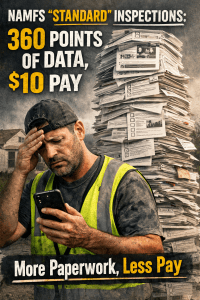
Hundreds of Industry firms took massive PPP Loans which, for the most part, were forgiven. On top of these, though, SBA EIDL loans were taken. It is the EIDL money that triggered a most interesting phenomena. Where previously order mills used to simply refuse to pay people and illegally pad the 1099s issued as they closed their doors, as in the case of Eduardo San Roman’s Assero, now they are forced to file bankruptcy. And it is in the bankruptcy filings that Foreclosurepedia is finding a treasure trove of data. Building on that, as early as March 2023, SBA referred over 669,000 potentially fraudulent PPP and COVID-19 EIDL loans to the SBA OIG for investigation, which most assuredly has a handful of Industry order mills. The main reason for this is that many of the order mills counted their 1099 contractors as employees in order to increase both the PPP and EIDL loans.