



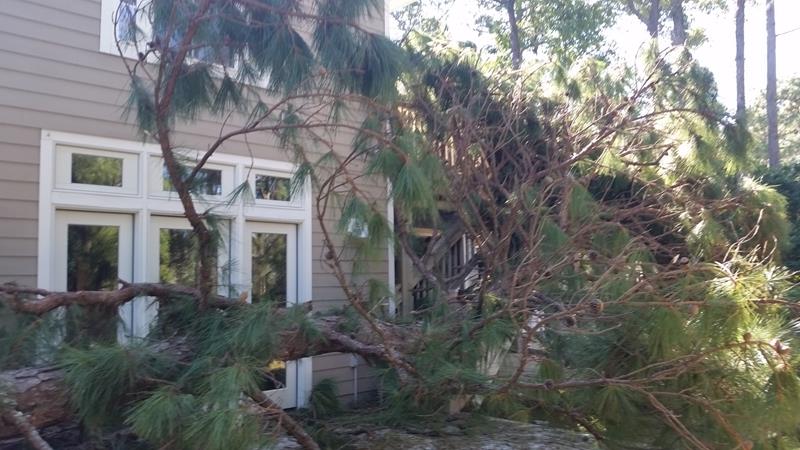
As Hurricane Helene churns off the coast of Florida, it is projected to make a gradual track inland, potentially impacting several Southeastern states, including Georgia, North and South Carolina, and Tennessee. Forecasters warn that the storm could bring heavy rain, flash flooding, and high winds to these areas, with significant damage to infrastructure and property. Tennessee, in particular, is bracing for the potential aftermath, where its winding rivers and rolling hills may be vulnerable to flash floods and widespread power outages.
While the focus for most residents is on evacuation and safety, a critical but often overlooked aspect of the recovery process is the role of disaster inspections. These inspections help assess damage to homes and businesses, guiding insurance claims and federal assistance efforts. However, the individuals responsible for carrying out these vital tasks face a harsh reality — often being paid less than $7 per inspection.
Disaster inspectors are contracted to survey affected properties and report damage, providing essential documentation for homeowners and insurers. However, the pay offered for these inspections can be alarmingly low, sometimes as little as $7 per inspection while Management collects in upwards of $75 – $100. Considering the time it takes to reach the location, conduct the inspection, and file reports, this rate is far from adequate. In many cases, inspectors must travel hundreds of miles and absorb costs like fuel and vehicle maintenance. When combined with the long payment cycles, before Labor is paid — often taking 30 to 90 days — this work begins to resemble what some might liken to modern-day slavery wages. Moreover, though, when these inspections are being issued by keyboard bandits sitting behind cubicles in Ohio and Texas, many contractors have decided to hold off on acceptance. And with Ohio now ground zero and a lightning rod for all things wrong with the Industry, Labor may want to look at the address of the firm they are working for.
These substandard wages not only affect the inspectors themselves but also the quality of disaster recovery. Inspectors may be forced to cut corners or refuse work altogether because they cannot afford the costs incurred in completing the job. Building on that, though, the movement into using illegal aliens to undercut even the gutter rate pay now is not boding well for Ohio based firms.
The current economic climate only exacerbates the problem. With inflation at record highs, the cost of living, fuel, and other essentials has skyrocketed. Gas prices, in particular, have increased sharply, making it nearly impossible for inspectors to break even when taking on a $7 inspection job. When an inspector fills their tank for $50 to $100 to cover a large geographic area, the payout for these inspections barely covers fuel, let alone time and effort.
Additionally, rising interest rates are compounding the issue. Many inspectors, especially independent contractors, rely on credit to manage expenses while awaiting payments from contracting companies. The high interest rates make borrowing costly, increasing financial strain and putting inspectors deeper into debt. This scenario is unsustainable and raises concerns about the future of the industry.
As Hurricane Helene continues its path into Florida and beyond, the need for disaster inspections will be more urgent than ever. Yet, unless the Industry addresses the issue of substandard pay, it may struggle to attract and retain qualified workers. Inspectors play an essential role in recovery efforts, ensuring that victims of natural disasters receive the help and resources they need to rebuild. But without proper compensation, the industry risks collapsing under its own weight, leaving many without access to crucial post-disaster services.
For disaster recovery efforts to be truly effective, it is imperative to reform the payment structure and ensure that inspectors are compensated fairly for their time, skills, and risks involved. Without this change, the current system will continue to exploit workers, and disaster recovery will suffer the consequences.
Hurricane Helene serves as a reminder of the relentless power of nature, but also of the weaknesses in our disaster response systems. While communities brace for the storm’s impact, the silent struggles of disaster inspectors reflect a broader problem of inequity and exploitation in essential services. Raising pay and providing more timely compensation for inspections will not only help inspectors but also contribute to a faster, more efficient recovery for all those affected by natural disasters.